Future of Car Interiors

Pardeep Singh
| 09-12-2025
 · Vehicle Team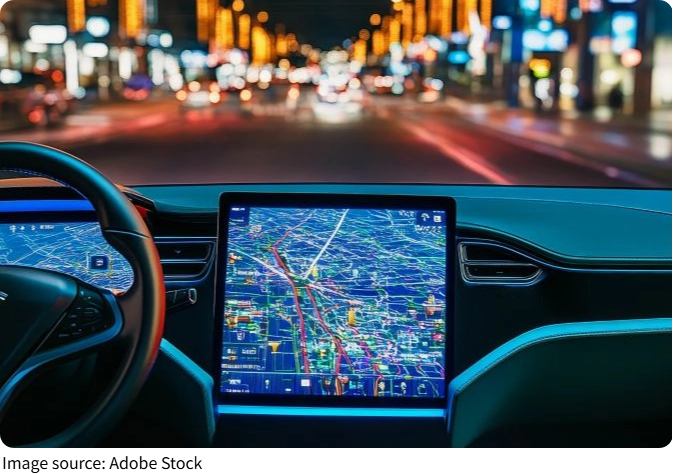
Imagine stepping into a car and being greeted by a sleek, minimalist dashboard, all smooth surfaces with a single screen that controls everything.
Now, picture that screen transforming into a fully immersive digital experience, where the car interior adapts to your needs and moods.
Over the past few years, car interiors have gone through some of the most exciting transformations. From simple, functional designs to high-tech, interactive spaces, the future of car interiors is an experience in itself.
The Shift Toward Minimalism
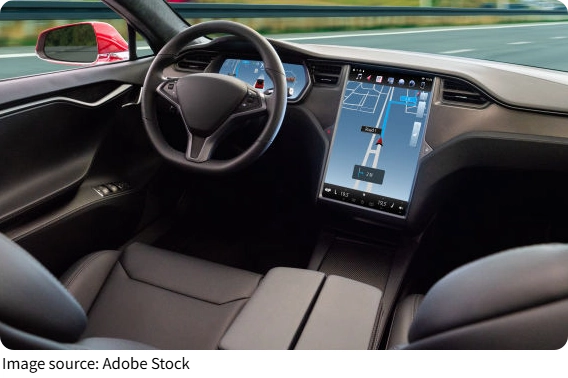
Car interiors are evolving, and one of the most significant changes has been the rise of minimalist design. Gone are the days when dashboards were cluttered with buttons and switches. Today, manufacturers are simplifying interiors to make them cleaner and more user-friendly.
Minimalism in car design isn't just about looks—it's about creating a sense of calm and order inside the vehicle. Streamlined dashboards, hidden controls, and sleek, simple lines are becoming the norm. The focus is on creating a space that feels open, modern, and less distracting. This isn't just for aesthetics either. Fewer buttons mean fewer things to get in the way of a smooth driving experience.
1. Sleek dashboards: Simple, clean lines create a more open, airy cabin.
2. Fewer distractions: With fewer physical buttons, you stay focused on the road.
3. User-friendly: Touchscreens and voice control systems replace traditional controls.
The Rise of Smart Technology
One of the most exciting developments in car interiors is the integration of smart technology. The dashboard, once just a place for knobs and buttons, is now a hub for interactive displays, voice assistants, and personalized settings.
Many cars today come with touchscreens that allow drivers to control everything from climate settings to navigation with a simple tap. But it doesn't stop there—cars are becoming increasingly connected.
In the near future, your car could learn your preferences over time, adjusting settings such as seat position, temperature, and even music based on your habits. Imagine getting into your car, and it knows exactly how you like the seat adjusted and what playlist you want to listen to. It's all about making the car experience more intuitive and less manual.
1. Smart displays: Touchscreens and digital dashboards replace physical controls.
2. Voice activation: Speak to your car to control everything from navigation to entertainment.
3. Personalization: Your car will adapt to your preferences automatically.
The Role of Augmented Reality
Augmented reality (AR) is making its way into car interiors, bringing a whole new layer of interaction. One of the most thrilling features of AR in vehicles is its potential to improve navigation. Imagine looking at your windshield and seeing directions or hazards highlighted in your line of sight. With AR, the car could project relevant information directly onto the windshield, giving you a clearer understanding of your surroundings without taking your eyes off the road.
But AR doesn't just stop at navigation. In the future, car interiors could be filled with augmented experiences for entertainment or driver assistance. For example, AR could help highlight key information, like the car's performance metrics, in real-time as you drive.
1. Interactive navigation: Directions and road information projected directly onto the windshield.
2. Driver assistance: AR could enhance safety by highlighting hazards or road conditions.
3. Enhanced experience: Imagine an interactive dashboard that changes based on what you're doing—like relaxing music in the evening or energizing beats in the morning.
Sustainability in Car Interiors
As environmental awareness continues to grow, car manufacturers are focusing more on sustainable materials for their interiors. Traditional leather and synthetic fabrics are being replaced with eco-friendly alternatives, such as plant-based materials and recycled plastics. This shift is aimed not only at reducing the environmental impact of production but also at creating interiors that are more comfortable and healthier for passengers.
Sustainable car interiors are more than just about the materials—they are designed to be longer-lasting and easier to maintain. For example, fabric made from recycled ocean plastics or plant-based materials doesn't just reduce waste—it can also be more durable and easier to clean. The future of car interiors will likely focus on reducing environmental footprints while providing a more luxurious, comfortable experience for passengers.
1. Eco-friendly materials: Expect to see more plant-based fabrics and recycled materials.
2. Sustainability: Car manufacturers are focusing on long-lasting, recyclable interior designs.
3. Healthier environment: Non-toxic materials lead to better air quality inside the vehicle.
The Future of Autonomous Car Interiors
As autonomous vehicles become more common, the concept of car interiors is bound to change dramatically. Without the need for a driver, the interior space of the car could evolve into a multifunctional living space. The focus will shift from the traditional driving setup to a more lounge-like environment.
In autonomous cars, you could expect to see features like fully reclining seats, touch-sensitive surfaces, and even interior walls that adjust to your preferences. Instead of focusing on navigation and road safety, the interior of the car will be a space for relaxation, work, and entertainment. It's like having a mobile living room that adapts to whatever you need it to be.
1. Reclining seats: Adjustable for comfort, perfect for relaxation during the ride.
2. Multi-use spaces: Seats and interiors designed to shift from a driving environment to a social or work space.
3. Connected systems: Everything in the car will sync with your devices and preferences for a seamless experience.
The future of car interiors is exciting and filled with possibilities. From minimalist designs that reduce distractions to smart tech that personalizes every ride, the evolution of the car cabin is pushing boundaries. As the industry continues to innovate, we can expect to see cars that not only serve as a mode of transport but also as personalized, interactive spaces that adapt to our every need.
The journey ahead is all about blending style, sustainability, and cutting-edge technology to create interiors that make driving, or rather riding, more comfortable and enjoyable than ever before.