Car AC Care Made Easy

Declan Kennedy
| 11-12-2025
 · Vehicle Team
Few things are more refreshing than stepping into a cool car on a hot afternoon. But what happens when the air that greets you smells musty, or the system just doesn't cool like it used to?
That's your car's air conditioning system telling you it needs attention. A clean, well-maintained AC doesn't just keep you comfortable—it protects your health and your car's efficiency.
Why Cleaning Matters
Your car's AC isn't just blowing cold air. It's pulling air through filters, ducts, and evaporators, and if these areas aren't maintained, they become a breeding ground for dust, mold, and bacteria. That musty odor many drivers notice is often caused by microorganisms thriving in the damp environment of the AC system. Over time, this buildup reduces airflow, strains the system, and makes the cabin less pleasant.
Change the Cabin Air Filter
The cabin air filter is your first line of defense against dust, pollen, and debris. Most car manuals recommend replacing it every 12,000 to 15,000 miles, but if you often drive in dusty conditions, you may need to do it sooner. A clogged filter not only affects air quality but also makes your AC work harder, which can shorten its lifespan.
Clean the Vents
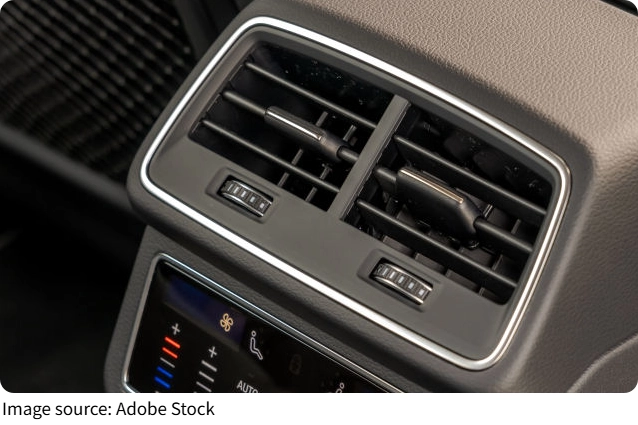
Air vents are the most visible part of the system and often the first place dust collects. A small brush or a can of compressed air can dislodge dirt and lint. For a deeper clean, you can use a vent cleaning spray designed to remove bacteria and eliminate odors. Doing this regularly helps keep the air fresh and reduces the spread of allergens inside the cabin.
Treat the Evaporator
The evaporator coil, hidden deep inside the dash, is where cold air is produced. Because it's constantly exposed to condensation, it's also where mold tends to grow. Specialized cleaning foams are available that can be applied through the air intake system. As the foam expands and dissolves, it washes away grime and removes bacteria. It's a bit more involved than cleaning the vents, but the improvement in air freshness is worth it.
Keep the Exterior Clean
Don't forget the parts of your AC that live outside the cabin. The condenser, located near the front grille, is responsible for releasing heat. If it's clogged with dirt, leaves, or road debris, your AC will struggle to cool effectively. A gentle rinse with a hose can clear away buildup and keep air flowing freely.
Run the System Regularly
One simple habit can make a big difference: use your AC, even in cooler months. Running the system for at least ten minutes once a week keeps the compressor lubricated and prevents seals from drying out. It also helps move refrigerant through the system, ensuring everything stays in working order.
Signs It's Time for Professional Help
Some problems go beyond basic cleaning. If you notice weak cooling, strange noises, or persistent odors even after maintenance, it may be time for a mechanic to inspect the system. Issues like low refrigerant, leaks, or failing compressors require specialized tools and expertise to fix.
Simple Habits for Long-Term Freshness
Keeping your AC clean doesn't have to be complicated. A few small habits can make all the difference:
Turn off the AC a few minutes before parking: Letting the fan run without cooling dries out moisture and discourages mold growth.
Don't light up or eat heavily scented foods in the car: These odors linger in the vents.
Keep the interior clean: A tidy cabin reduces the dust and debris circulating through the AC system.
The Takeaway
Your car's air conditioning is more than a comfort feature—it's a health safeguard and a system that works best when it's kept clean. By replacing filters, cleaning vents, treating the evaporator, and paying attention to small habits, you can ensure every drive feels crisp and fresh.
Next time you switch on your AC, listen to what it tells you. If the air feels weak or smells odd, it's a gentle reminder that a little care now will pay off in comfort and safety later. After all, driving should feel refreshing, not stuffy.