4WD vs 2WD Vehicles

Mukesh Kumar
| 28-01-2026
 · Vehicle Team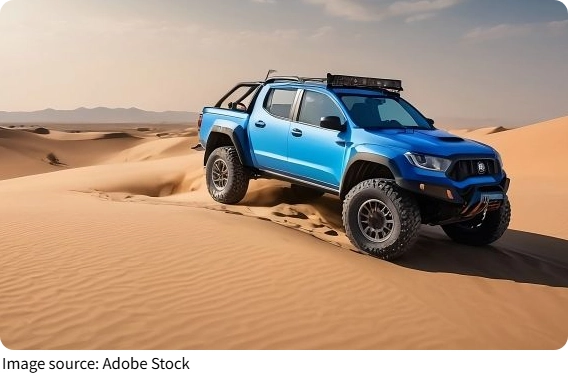
Pulling out onto a wet, winding road, you notice the difference immediately: some cars handle with ease, gripping every curve, while others struggle for traction.
That split-second experience highlights one of the key choices in car buying: four-wheel drive (4WD) or two-wheel drive (2WD).
Understanding the strengths and limitations of each can save money, improve safety, and make your driving more enjoyable.
Understanding the Basics
2WD vehicles deliver power to either the front or rear wheels only, while 4WD sends power to all four wheels simultaneously. The distinction affects traction, handling, fuel efficiency, and overall performance.
Actionable example: For someone commuting primarily on paved city roads, a 2WD sedan with front-wheel drive can offer smoother handling and better fuel economy. It's simpler, lighter, and usually less expensive than a 4WD counterpart. 4WD systems, on the other hand, are often found in SUVs, trucks, and off-road vehicles.
They can engage all wheels for maximum grip, making them ideal for slippery surfaces, steep inclines, or uneven terrain. Some modern systems even allow automatic switching between 2WD and 4WD depending on conditions.
Traction and Safety Considerations
The most obvious advantage of 4WD is traction. When driving on snow, mud, gravel, or loose sand, distributing power to all wheels helps maintain control and prevents slipping.
Actionable example: If you live in a region with harsh winters or frequently travel on unpaved trails, a 4WD SUV or truck can reduce the risk of getting stuck and enhance stability. Even in wet conditions, 4WD improves confidence by minimizing wheel spin.
While 2WD may struggle in these scenarios, modern traction control systems can partially compensate, keeping the car stable on slick surfaces. However, 2WD still relies on the driven wheels to find grip, which can limit performance in extreme conditions.
Fuel Efficiency and Cost
Because 4WD systems are heavier and more mechanically complex, they typically consume more fuel than 2WD vehicles. Maintenance costs can also be higher due to additional components like differentials and transfer cases.
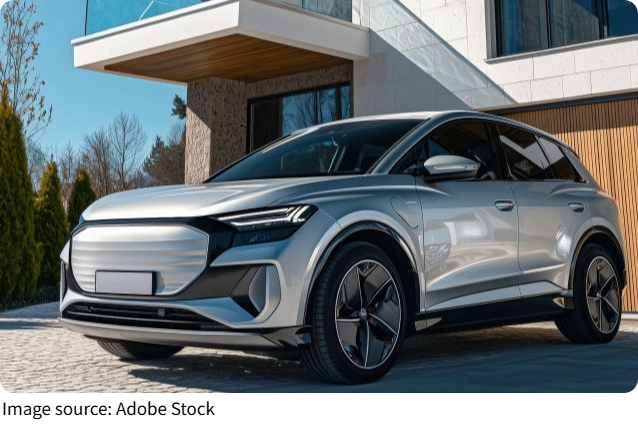
Actionable example: For daily commuting and highway driving, a 2WD crossover or sedan can save hundreds of dollars annually in fuel, making it a practical choice for urban or suburban drivers.
That said, 4WD can add value if you regularly need its capabilities. The extra cost often pays off in versatility and safety, especially for adventurous drivers or those in challenging climates. Understanding your driving patterns is key to deciding which trade-offs make sense.
Performance and Handling
2WD vehicles often feel lighter and more agile on dry, smooth roads. Front-wheel drive vehicles pull from the front, making steering predictable, while rear-wheel drive can enhance acceleration and cornering dynamics in performance cars.
Actionable example: A 2WD sports coupe with rear-wheel drive provides a dynamic driving experience for enthusiasts, offering responsive handling without the weight penalty of 4WD. 4WD vehicles excel when conditions are less predictable. Off-road trails, steep inclines, or uneven surfaces demand stability and consistent power distribution.
However, 4WD vehicles may feel less nimble on city streets and require slightly wider turning radii due to drivetrain complexity.
Choosing the Right Option for You
Deciding between 4WD and 2WD comes down to your lifestyle, driving conditions, and priorities. Consider these factors:
Terrain: Frequent off-road or rural driving favors 4WD, while city and highway travel suit 2WD.
Climate: Snowy, icy, or rainy regions make 4WD safer and more reliable.
Budget: 2WD vehicles are cheaper to buy, maintain, and fuel.
Performance: For everyday handling and fuel efficiency, 2WD often suffices; for traction and versatility, 4WD excels.
Test-driving both types under your typical conditions can provide insight beyond numbers. Pay attention to how each handles turns, accelerates, and responds to slick surfaces.
Ultimately, the choice between 4WD and 2WD isn't just about technology—it's about matching your car to your life. A well-informed decision enhances safety, efficiency, and enjoyment every time you get behind the wheel. Whether you're navigating snowy back roads or cruising the highway, knowing the strengths of your drivetrain empowers smarter, more confident driving.