Furry Friends

Chandan Singh
| 30-04-2026
 · Animal Team
“Fighting like cats and dogs” is a phrase most people grow up hearing, suggesting that conflict between the two species is inevitable. Yet, in real life, countless households prove the opposite.
Cats and dogs are not born enemies. Their relationships are shaped far more by experience, communication, and environment than by instinctive hostility.
First Impressions Matter
The earliest interaction between a cat and a dog often determines the tone of their future relationship. Both animals rely heavily on body language, but their “languages” differ in subtle yet crucial ways. These differences can easily lead to confusion.
A calm, respectful first meeting gives both animals the chance to observe and adjust. If one feels threatened or misreads the other’s signals, tension can develop quickly. A dog may interpret a cat’s posture as a challenge, while a cat may see a dog’s curiosity as aggression. These early misunderstandings can linger, shaping long-term behavior.
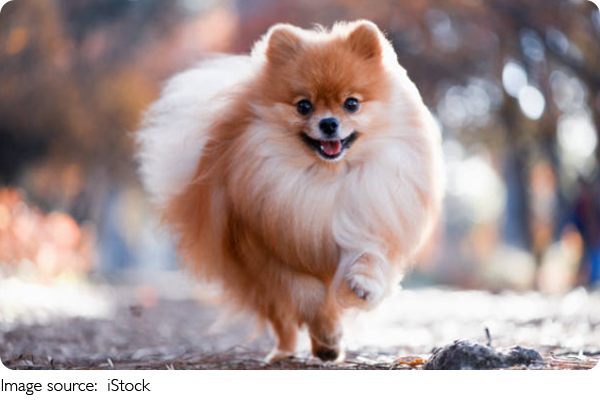
The Language of Tails and Posture
One of the biggest sources of miscommunication lies in how each species uses its tail. Dogs wag their tails to express excitement, friendliness, or anticipation. The more energetic the wag, the more stimulated the dog typically is. Cats, however, use their tails very differently. A raised tail often signals confidence and openness, but rapid tail movement usually indicates irritation or anger. When a cat flicks or lashes its tail, it is not inviting interaction—it is warning against it.
This contrast can create awkward encounters. A playful puppy may see a moving tail as an invitation, only to be met with a hiss or a swipe. Likewise, a confident cat approaching with its tail held high may unintentionally intimidate a cautious dog, who interprets the posture as dominance.
Posture adds another layer of complexity. Dogs often roll onto their backs to show submission or trust. Cats, on the other hand, roll over as a defensive strategy, preparing to use all four claws if necessary. A dog that misunderstands this gesture may get too close and receive an unpleasant lesson.
Personality Over Size
Contrary to what many assume, size plays a smaller role than personality. A bold, sociable cat can confidently approach even a large dog, often disarming it with self-assurance. Meanwhile, a timid dog may retreat from a much smaller cat simply because it avoids confrontation.
On the flip side, a dog with a strong prey drive or assertive temperament may react aggressively to a cat’s approach, regardless of the cat’s intentions. In such cases, the cat may respond by fleeing or defending itself, reinforcing a cycle of mistrust. These interactions highlight an important truth: behavior is shaped by individual temperament as much as species differences. Not all dogs behave alike, and not all cats respond the same way.
When Signals Go Wrong
Misinterpretation can quickly escalate into conflict. A curious puppy, unfamiliar with feline cues, might approach too eagerly and trigger defensive behavior. A startled cat may hiss, scratch, or flee, leaving the puppy confused or frightened. This experience can leave a lasting impression. The dog may begin to associate cats with negative encounters, while the cat may see dogs as unpredictable threats.
Over time, these learned responses can solidify into avoidance or aggression. Even fully grown animals are not immune. A dog that reacts strongly to sudden movement may chase a fleeing cat, while a cat that has had a bad experience may remain permanently wary.
Shared Signals and Common Ground
Despite their differences, cats and dogs do share some universal signals. Growling, hissing, baring teeth, and puffing up fur all communicate clear warnings across species lines. These instinctive expressions are generally understood without prior learning. Both animals also display similar stress-related behaviors, such as yawning, grooming, or looking away.
These actions often indicate discomfort or conflict rather than relaxation, serving as subtle cues that tension is present. Because of these shared signals, cats and dogs can, over time, learn to interpret each other more accurately. Observation and repeated exposure allow them to adjust their responses and avoid unnecessary conflict.
Learning to Live Together
When cats and dogs share a home, they often develop their own system of coexistence. Some become close companions—sleeping together, playing, and even grooming one another. Others maintain a respectful distance, choosing to avoid interaction while peacefully sharing space.
This adaptation is not automatic. It requires time, patience, and consistent exposure. Animals learn through observation and trial, gradually understanding what behaviors are safe and which should be avoided. Cats often prefer to observe from elevated positions, giving them a sense of control. Dogs, meanwhile, benefit from clear guidance and structured interactions.
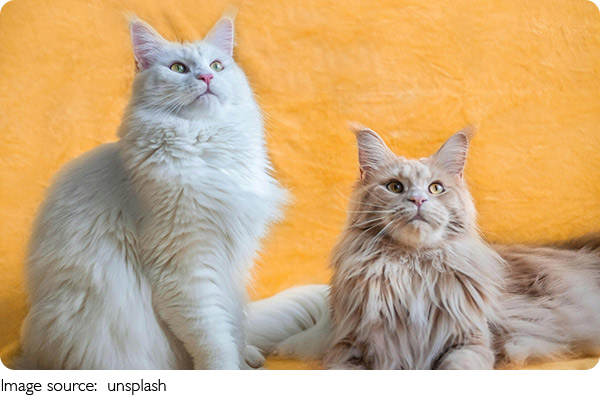
How Humans Can Help?
Pet owners play a crucial role in shaping these relationships. One effective approach is to create positive associations. Feeding both animals in proximity—while keeping them safely separated at first—can help them connect each other’s presence with something pleasant.
Training also provides a structured way to build trust. Teaching simple commands and rewarding calm behavior encourages both animals to remain relaxed around each other. Gradual exposure, combined with positive reinforcement, helps replace fear or uncertainty with confidence.
It is important to move at a pace that suits both animals. Forcing interaction too quickly can backfire, while small, successful steps build lasting progress. Rewarding even minor signs of tolerance—such as calm observation or relaxed posture—can make a significant difference over time.
The idea that cats and dogs are destined to clash is more myth than reality. Their relationships are shaped by communication, personality, and experience rather than instinctive rivalry. With patience and understanding, they can learn not only to tolerate each other but to thrive together.