Protect Jewelry from Damage

Finnegan Flynn
| 30-04-2026
 · Lifestyle Team
You open your jewelry box and notice it immediately—a dull patch on a ring, or faint lines on a pendant that used to shine.
Nothing dramatic happened. No drops, no accidents. Most jewelry damage comes from how pieces sit when you're not wearing them.
Storage isn't about fancy boxes or costly tools. It's about keeping metal, stones, air, and friction under control.
Understand What Causes Oxidation and Scratches
Before fixing storage, it helps to know what you're fighting.
1. Oxygen and sulfur compounds react with certain metals, slowly changing their surface color (e.g., silver tarnishes).
2. Jewelry rubbing against other pieces creates tiny scratches over time.
3. Residue from skin and everyday products speeds up both problems.
Actionable example: Before storing jewelry, give it a quick wipe with a soft cloth to remove surface residue that attracts air and moisture.
Keep Pieces Separate
Crowding is one of the fastest ways to ruin finishes.
1. When pieces touch, they rub against each other whenever the box shifts.
2. Hard stones can mark softer metal surfaces.
3. Chains tangle and pull, weakening links.
Actionable example: Store necklaces individually in small pouches or hang them separately to prevent knotting and rubbing.
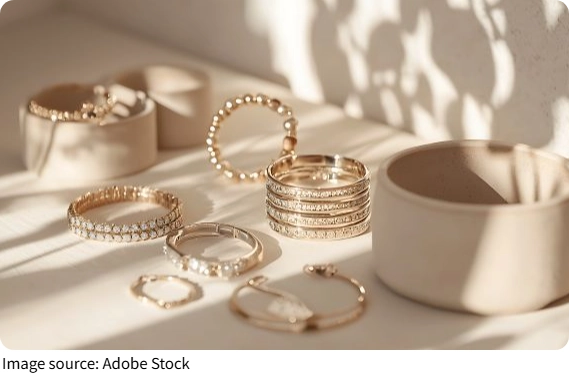
Choose the Right Materials
The material touching your jewelry matters more than the container itself.
1. Soft fabric linings cushion pieces and reduce micro-scratches.
2. Breathable materials help manage trapped moisture.
3. Hard plastic without padding increases surface wear.
Actionable example: If your box has hard compartments, add soft fabric inserts or use small cloth bags inside each section.
Control Moisture and Air
Oxidation thrives in damp, changing environments.
1. Humidity speeds up surface changes on metal.
2. Frequent temperature shifts can cause condensation inside jewelry boxes.
3. Open-air storage exposes jewelry constantly to air and dust.
Actionable example: Place a moisture-absorbing packet in your jewelry box and replace it every few months.
Store Different Jewelry Types Properly
One method doesn't work for everything.
1. Chains should lie flat or hang straight to avoid stress points.
2. Rings stay safer in padded sections that keep them upright.
3. Stone-set jewelry needs support so settings aren't pressed from odd angles.
Actionable example: Lay bracelets flat in a single layer instead of stacking them to prevent pressure marks.
Avoid Common Mistakes
Small habits create long-term damage.
1. Bathrooms trap moisture constantly, even if they feel dry.
2. Tossing jewelry into a single tray invites scratches.
3. Direct light can fade certain stones over time.
Actionable example: Move jewelry storage to a bedroom drawer or closet shelf where conditions stay more stable.
Use Travel Storage Wisely
Travel creates constant motion, which increases risk.
1. Pieces shift more during movement than when stored at home.
2. Hard cases without padding allow internal impact.
3. Mixing items in one pocket almost guarantees contact damage.
Actionable example: Use a travel case with separate sections, or wrap each piece in a soft cloth before packing.
Build a Simple Storage Routine
Good storage works best when it's automatic.
1. Put jewelry away the same way every time.
2. Check pieces briefly before storing to catch issues early.
3. Adjust storage as your collection grows.
Actionable example: Create a rule that jewelry never touches bare surfaces before going into its storage spot.
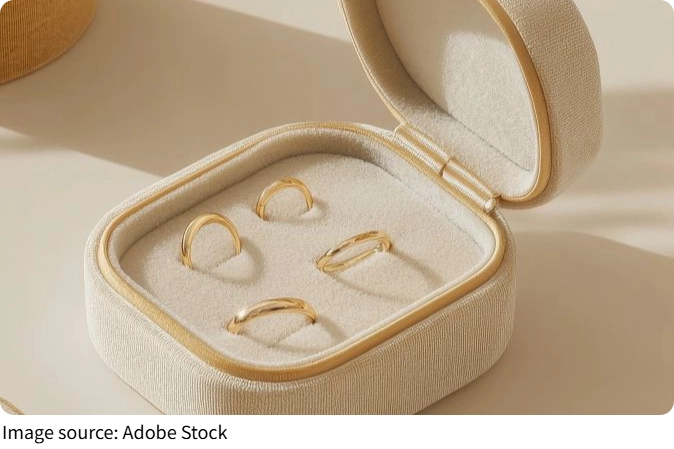
Jewelry doesn't need frequent polishing or repairs to stay beautiful. It needs calm, thoughtful storage that limits air, moisture, and friction. When every piece has its own space and a stable environment, oxidation slows, scratches fade into memory, and your collection keeps its character. The quiet moments—placing a ring back carefully, laying a chain flat—are what protect jewelry the most.