Detox Greens

Ravish Kumar
| 09-05-2026
 · Food Team
Ever noticed how some vegetables just seem to make you feel lighter and more energetic after a meal? Your liver could be thanking you. This vital gland works hard to filter toxins, metabolize nutrients, and keep your body running smoothly.
Choosing the right vegetables can help it stay in top shape and prevent long-term stress.
Cruciferous Vegetables
Cruciferous vegetables like broccoli, Brussels sprouts, and cauliflower are liver powerhouses. They contain compounds that stimulate the liver's detoxification enzymes, helping break down harmful substances before they cause damage. Eating these regularly can reduce oxidative stress and inflammation.
Example: Steam a mix of broccoli and cauliflower for 5–7 minutes, then drizzle with a little olive oil and lemon juice. This simple dish enhances nutrient absorption while keeping the meal light.
Leafy Greens
Leafy greens such as spinach and kale are rich in chlorophyll as well as vitamins, minerals, and antioxidants that support overall health. According to the Harvard T.H. Chan School of Public Health, these vegetables provide nutrients including vitamin K, folate, magnesium, and vitamin C, all of which contribute to normal metabolic and cellular functions.
Some laboratory studies suggest that chlorophyll may interact with certain compounds in ways that help reduce oxidative stress, although more human research is needed to confirm its effects on detoxification. The National Institutes of Health notes that the liver naturally detoxifies the body through its own biological processes, supported by a balanced diet and healthy lifestyle.
The high nutrient density of leafy greens can help support normal liver function and energy metabolism as part of an overall healthy diet.
Tip: Add a handful of kale to your morning smoothie or toss spinach with a warm quinoa salad to get a liver-friendly nutrient boost early in the day.
Beets and Carrots
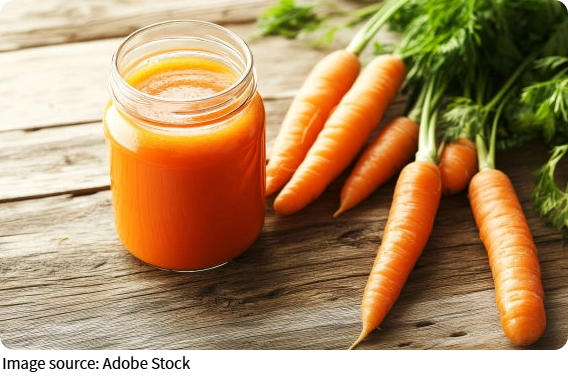
Both beets and carrots contain beta-carotene and plant flavonoids that encourage the liver to flush out toxins. Beets also help improve bile flow, which is crucial for digestion and oil processing.
Actionable step: Roast beets and carrots with a pinch of cumin and a touch of olive oil. This not only preserves their nutrients but also makes them more flavorful and easier to digest.
Allium Vegetables
Onions, garlic, and leeks are part of the allium family and contain sulfur compounds. These compounds activate liver enzymes that help neutralize harmful substances. Garlic, in particular, can help reduce lipid accumulation in the liver.
Example: Sauté garlic and leeks in a small amount of oil before adding seasonal vegetables. This boosts both flavor and liver-protective benefits.
Artichokes and Asparagus
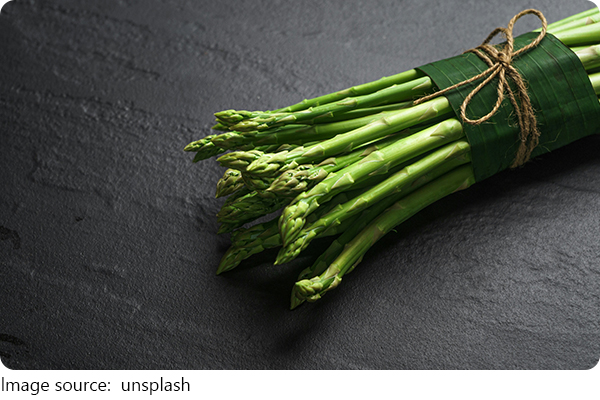
Artichokes and asparagus contain compounds that support bile production, aiding the liver's role in digestion and detoxification. They also provide antioxidants that help repair liver cells.
Tip: Steam artichoke hearts or asparagus for 3–4 minutes and serve with a squeeze of lemon to maximize nutrient retention and enhance liver support.
Practical Tips for a Liver-Friendly Diet
1. Rotate your vegetables to cover a wide range of nutrients. Different colors usually mean different antioxidants and liver-supporting compounds.
2. Pair vegetables with healthy oils like olive or avocado oil to improve the absorption of oil-soluble nutrients.
3. Keep cooking methods light—steaming, roasting, or lightly sautéing preserves nutrients while keeping vegetables easy to digest.
Your liver quietly handles hundreds of tasks every day, so giving it a little extra care can pay off in how you feel and look. By incorporating cruciferous vegetables, leafy greens, beets, alliums, and liver-friendly vegetables like artichokes and asparagus into your meals, you're creating a practical, tasty, and effective strategy to support liver health. Even small daily choices—like adding a handful of spinach to your breakfast or roasting carrots for dinner—can make a lasting difference.