Cash or Card Abroad?
Amit Sharma
| 14-05-2026
 · Travel Team
Traveling internationally can be thrilling—but managing money abroad often feels like a puzzle. You want convenience, security, and good exchange rates, but also flexibility when a shop doesn't accept your card. For Lykkers who love exploring smartly, balancing cash and cards is the secret to stress-free adventures.
The goal isn't choosing one over the other, but understanding how to use both effectively depending on where you are, how you travel, and what you spend on. With a little preparation, you can keep your wallet—and your peace of mind—safe and organized from start to finish.
When Cash Is Still King
Even in the digital age, local currency has its advantages. Some destinations, especially smaller towns or markets, still operate best with physical cash.
For Small Purchases and Local Markets
Not every vendor takes cards, especially in rural areas or street markets. Keeping some cash on hand lets you buy snacks, souvenirs, or public transport tickets without searching for an ATM. It also helps you blend in with locals—nothing feels more authentic than buying fruit at a market and paying in the local currency. Just make sure to carry small bills to avoid awkward change situations.
When Technology Fails
Cards are convenient—until you lose connection or a terminal malfunctions. Having a modest stash of cash acts as your emergency backup. It covers essentials like taxis, meals, or tips when your card simply won't swipe. You don’t need to carry a large sum—just enough to last a day or two if systems go down or you’re far from an ATM.
In Countries with Cash Culture
In some regions, cash is part of daily life. Japan, for example, remains largely cash-based for small businesses, while parts of Europe or Southeast Asia may charge extra fees for card transactions. Observing local habits helps you adjust. If you see most people paying with bills, follow their lead—it’s often faster and more accepted.
Handling Exchange Wisely
Exchange rates can make a big difference in how far your money goes. Skip the airport counters with poor rates, and instead use ATMs from major banks once you arrive. They usually offer fairer conversions. Withdraw what you’ll realistically need for a few days to avoid high transaction fees, and store the rest safely in your accommodation.

Why Cards Simplify Modern Travel
While cash offers flexibility, cards bring convenience, security, and control—especially for international travelers.
Safer and Easier to Track
Carrying large amounts of cash can make you anxious. Cards reduce that worry. If lost or stolen, they can be blocked instantly, unlike cash that disappears forever. Plus, your spending is automatically recorded, so you can track your budget through your bank app instead of counting receipts at the end of each day.
Better Exchange Rates and Rewards
Credit and debit cards often use near-market exchange rates, which are better than most exchange booths. Some cards even offer travel perks—cashback, miles, or insurance benefits that save you money in the long run. For travelers who spend frequently, these rewards can add up quickly, turning everyday purchases into future savings or flights.
Ideal for Hotels and Bookings
Most hotels, airlines, and rental services require a card for reservations and deposits. Even if you prefer to pay cash later, having a card guarantees flexibility. Some establishments may hold funds temporarily, so using a travel card with a separate limit ensures your main funds stay unaffected.
Using Cards Smartly Abroad
Before leaving, notify your bank of your travel plans to prevent accidental freezes due to suspicious activity. Choose cards with low or zero foreign transaction fees, and always pay in the local currency when given the option—it avoids hidden conversion costs. Carry at least two cards (from different providers) and store them separately, just in case one gets lost or blocked.
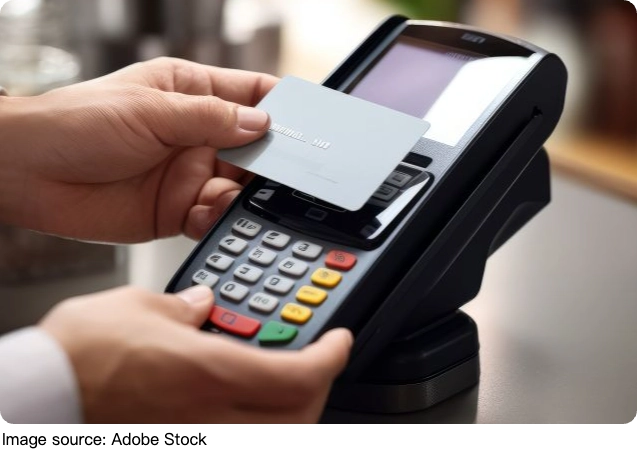
For Lykkers, smart travel means balance. Cash gives freedom where cards can't, while cards offer safety and ease that cash won't. The trick is using both in harmony—carry just enough currency for small daily needs, but rely on cards for larger purchases and bookings. Always plan ahead, split your funds, and know your spending habits. When your money management feels effortless, your focus stays where it belongs—on the experiences that make every journey worth remembering.