Veggie Protein Picks

Ethan Sullivan
| 01-07-2026
 · Food Team
Every vegetarian has heard it. "But where do you get your protein?" It comes up at family dinners, from curious coworkers, basically any time you turn down a burger. And honestly?
The question gets old fast. Because protein isn't hiding in meat — it's sitting right there in your kitchen, in the form of lentils, chickpeas, tofu, and a few other ingredients that most people already have or can grab for under five dollars.
The key is just knowing which ones actually pull their weight.
Lentils: The Everyday Powerhouse
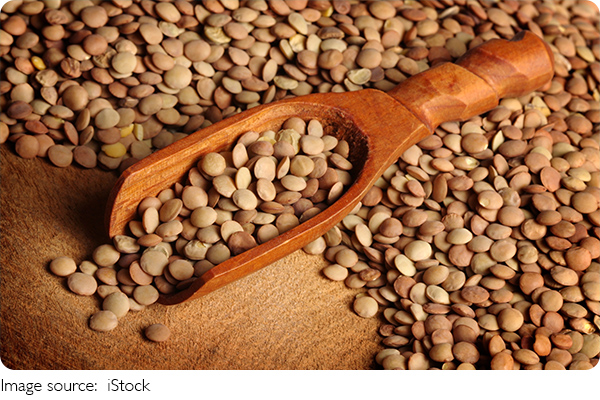
One cup of cooked lentils delivers around 18 grams of protein — roughly the same as three eggs. They're also loaded with fiber, iron, and folate, so they're covering multiple bases at once. The best thing about lentils is how easy they are to rotate. Cook a big container on Sunday, then switch up the seasoning throughout the week. Cumin and lime on Monday, garlic and tomato on Wednesday. Same base, totally different vibe.
Chickpeas: The Most Versatile Can in Your Pantry
About 15 grams of protein per cup, and they work in basically everything. Roast them until crispy for a snack, blend them into hummus, toss them into salads, or throw them into a curry. They store well, they're cheap, and canned ones are completely fine — no shame in the convenience. If you've got chickpeas in the house, you've always got a meal option.
Quinoa: The Complete Protein Seed
Technically a seed, not a grain — and one of the rare plant foods with all nine essential amino acids, making it a complete protein. One cooked cup has around 8 grams of protein plus magnesium and manganese for steady energy. Swapping rice for quinoa a few times a week can genuinely shift how you feel in the afternoon — less crashing, more consistent focus. It cooks in under 20 minutes and works as a base for grain bowls, mixed into soups, or even as a breakfast porridge with almond milk and fruit.
Greek Yogurt: The No-Cook Protein Win
A single cup clocks in at about 20 grams of protein, plus probiotics that keep your gut happy. Stick to plain — the flavored ones are mostly sugar. From there you can go in any direction: sweet with berries and honey, savory with cucumber and a drizzle of olive oil, or mixed into a smoothie. It's also one of the best things to eat after a workout since it helps with muscle recovery without needing any actual cooking.
Tofu: Press It, Season It, Love It
Most people who claim to dislike tofu have just never had it cooked right. The two non-negotiables: press out the water before cooking, and season it generously. Tofu is essentially a flavor sponge — it becomes whatever you marinate it in. Pan-fry it until golden on the outside, bake it for a firmer texture, or crumble it into scrambles. At around 10 grams of protein per half-cup, it's also one of the most flexible proteins you can keep on hand.
Edamame: The Snack That Actually Fills You Up
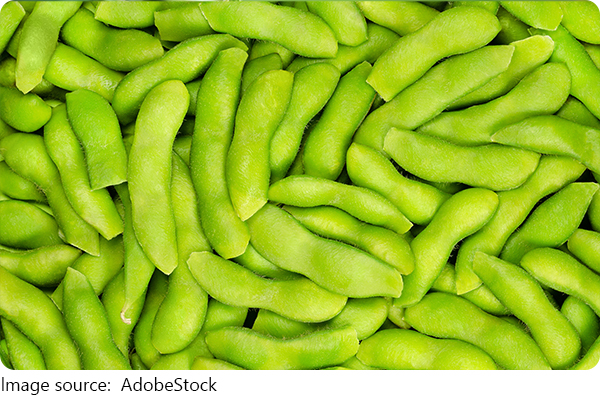
A cup of edamame has about 17 grams of protein, plus iron, calcium, and vitamin K. They're immature soybeans, so they're a whole-food option compared to heavily processed soy products. Buy them frozen, microwave straight from the bag, hit with a little salt. That's it. It's the kind of snack that sounds too simple to be satisfying — and then you realize you're actually full.
Tempeh: The Underrated Champion
Fermented soybeans pressed into a block, with a nutty, slightly earthy flavor and a chewier texture than tofu. One cup has around 30 grams of protein — more than a chicken portion — and because it's fermented, it's also easier to digest. Slice it thin, pan-fry with soy sauce and garlic, and you've got something genuinely craveable in under 10 minutes. Tempeh tends to intimidate people who haven't cooked it before, but it's actually one of the more forgiving proteins once you get the hang of it.
None of these ingredients are rare or hard to find. They're all affordable, available at any grocery store, and versatile enough to show up in breakfast, lunch, and dinner without getting boring. Build your pantry around these seven, and the protein question answers itself.