Master Risk, Enjoy Rush

Pardeep Singh
| 03-07-2026
 · Sport Team
Hi, Readers! Extreme sports carry a special pull because they bring together speed, height, challenge, and that sharp, unforgettable rush of being fully present.
At the same time, the real heart of these activities is not careless risk. It is learning how to manage uncertainty with skill, preparation, and calm decision-making.
Whether someone is climbing, surfing, skydiving, or mountain biking, the balance between excitement and safety comes from respecting both the activity and personal limits.
Why the thrill feels so strong
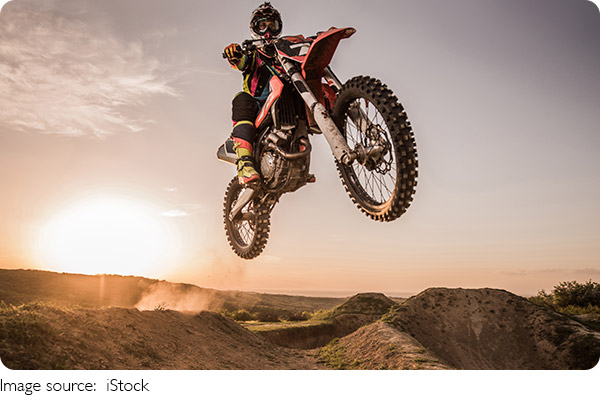
Extreme sports are usually linked with a high level of physical challenge, natural environments, and situations where mistakes can have serious consequences. That is exactly why many people find them meaningful. The excitement often comes from stepping outside routine life and meeting a demanding moment with focus and courage.
For many participants, the appeal is not simply danger. It is mastery, freedom, movement, and the deep satisfaction of doing something difficult well.
Skill comes before intensity
One of the clearest ways these sports balance stimulation and safety is through progression. People do not begin with the hardest route, the biggest wave, or the highest jump.
They build a technique step by step. Basic training helps the body learn movement patterns, while repeated practice improves timing, coordination, and judgment. This gradual path matters because confidence without skill can create unnecessary risk, while real ability makes bold experiences more controlled and thoughtful.
Equipment and planning matter
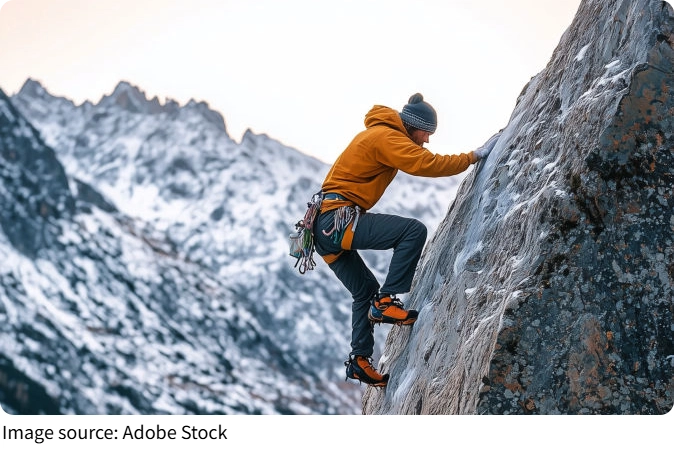
Specialized gear plays a huge part in reducing risk. Helmets, harnesses, ropes, protective pads, flotation devices, and other safety tools are designed to lower the chance of severe injury when used correctly. Still, equipment alone is never enough.
Careful planning is just as important. Participants often check the weather, terrain, water conditions, route difficulty, and emergency access before starting. Many also inspect gear closely and avoid going forward if something feels uncertain. That kind of preparation may look quiet from the outside, but it is one of the strongest foundations of safe adventure.
Good judgment is the real safety line
In high-intensity activities, decision-making can matter as much as physical ability. Conditions change quickly, and people need to respond with a clear mind. That means knowing when to continue, when to slow down, and when to stop completely. A person who can turn back at the right moment often shows more strength, not less.
Many experienced athletes describe risk management as an active, ongoing process. They observe the environment, stay aware of their energy level, and avoid letting excitement override common sense.
Community and instruction reduce risk
Another important layer of safety comes from learning with others. Coaches, guides, and experienced partners help newer participants understand technique, etiquette, and hazard awareness. In many sports, local knowledge can make a major difference.
Knowing how a route changes, how currents behave, or how surfaces respond in different conditions helps people make better choices. Communities around these activities often pass down practical habits that protect everyone, from partner checks to communication signals and emergency planning.
Why balance matters most
The point of extreme sports is not to ignore safety for a rush. In reality, the strongest experiences usually come when challenge is matched with preparation. Excitement feels richer when people know they have trained well, chosen suitable conditions, and respected their own boundaries.
That balance allows the activity to stay intense without becoming reckless. It also helps participants return, improve, and keep finding joy in the experience over time.
Hi, Readers! If extreme sports teach us anything, it is that excitement and safety do not have to compete with each other. They can work side by side. The thrill comes alive not through carelessness, but through preparation, skill, and wise choices. If this topic speaks to you, it may be worth thinking about how courage in any part of life often grows best when it is supported by patience and good judgment.