Before You Buy Plants

Raghu Yadav
| 31-07-2026
 · Nature Team
Hi, Readers! Bringing home your first plant can feel exciting, but it also comes with a few choices that are easy to overlook.
A plant may look fresh and healthy on the shelf, yet still turn into a struggle once it reaches your home. Before you buy anything, it helps to slow down and think about your space, your routine, and the condition of the plant itself.
A little checking at the start can save you money, time, and plenty of disappointment later.
Know Your Space First
Before choosing a plant, take a close look at where it will live. Light matters more than most beginners expect. Some plants need bright indirect light near a window, while others can manage in lower light areas. If your room is dim for most of the day, a light-loving plant may not do well no matter how carefully you water it. Temperature and airflow also matter.
Plants placed near heaters, air vents, or frequently opened doors may struggle with stress. It is much easier to match a plant to your home than to force your home to match a plant.
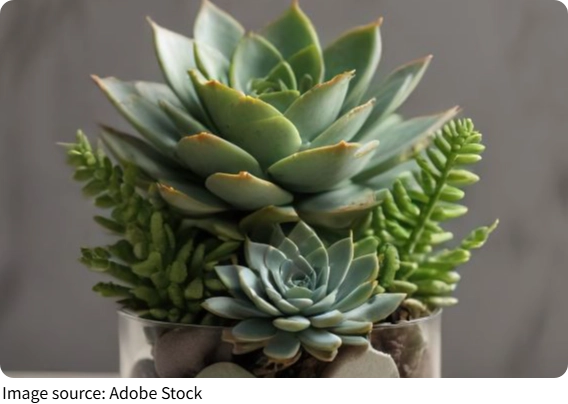
Be Honest About Your Routine
A common beginner mistake is choosing a plant for appearance alone. A better approach is to think about how much attention you can realistically give. If you travel often or simply forget routine care, start with a plant known for tolerating occasional neglect.
If you enjoy checking soil and adjusting care, you can try something more demanding. The point is not to choose the most impressive plant in the shop. It is to choose one that fits your habits well enough to stay healthy over time.
Inspect the Plant Carefully
Do not buy a plant just because the leaves look green from a distance. Look closely at both sides of the leaves, the stems, and the soil surface. Check for yellowing, spots, tears, drooping, or signs of tiny pests. A healthy plant usually has steady growth, firm stems, and leaves that match its normal color and shape.
If the soil is completely dry, soaked, or smells unpleasant, that can signal care problems. It is also worth sliding the plant gently from its nursery container, if allowed, to see whether the roots look crowded or unhealthy.
Check the Size and Container
Bigger is not always better for a beginner. Large plants often cost more and can be harder to adjust after moving into a new environment. Smaller plants are usually less expensive and easier to monitor as you learn. Also notice whether the container has drainage. Without drainage, water can collect at the bottom and create root trouble.
If the decorative container has no holes, you may need to keep the plant in a simple inner nursery container and remove it for watering.
Learn the Basic Care Needs
Before paying, make sure you understand the plant’s essential care needs. That includes light, watering frequency, humidity preferences, and whether it is sensitive to sudden change. It also helps to learn how fast it grows and whether it will need support, pruning, or repotting soon. Beginners often run into trouble when they buy first and research later. Even a quick read can prevent common mistakes like overwatering, poor placement, or using the wrong container.
Think Beyond the Purchase
The plant itself is only part of the cost. You may also need a container with drainage, a saucer, fresh growing mix, and simple care tools. Over time, your plant may need a larger container or more suitable placement as it grows. Buying with these future needs in mind leads to better decisions. It also helps to choose a reputable shop where plants are labeled clearly and cared for well, since that gives you a stronger starting point.
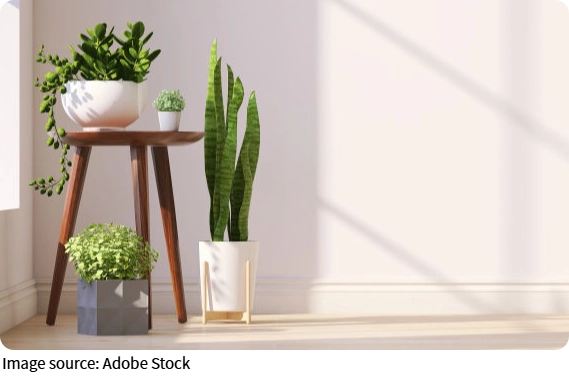
Choosing a first plant does not need to feel confusing. When you check your light, your schedule, the plant’s condition, and its care needs, you make a much smarter choice from the beginning. A healthy start often makes plant care feel far more enjoyable. If you are about to buy your first one, take a few extra minutes in the shop and let your decision be a careful one.