Dresden Made Simple

Santosh Jha
| 31-07-2026
 · Travel Team
Hi, Readers! Dresden feels like one of those places that quietly surprises you.
There is grand architecture, riverside scenery, richly layered history, and a compact center that makes exploring feel easy rather than overwhelming.
Set along the Elbe in Saxony, this city blends restored landmarks with creative neighborhoods, so you can spend the morning in ornate old squares and the afternoon wandering through lively local districts.
One of the nicest things about Dresden is how manageable it is. The historic center is very walkable, and public transport makes the wider city simple to reach. Trams and buses connect major sights efficiently, and Dresden Hauptbahnhof is the main rail hub if you are arriving from other German cities. From Berlin, train journeys are commonly around 2 hours, while trips from Leipzig are often about 1.5 hours.
If you are flying in, Dresden Airport links to the city by S-Bahn in roughly 20 to 25 minutes. If you prefer a slower arrival, driving into the city is also straightforward, though parking in the center can cost more and feel less convenient than transit.
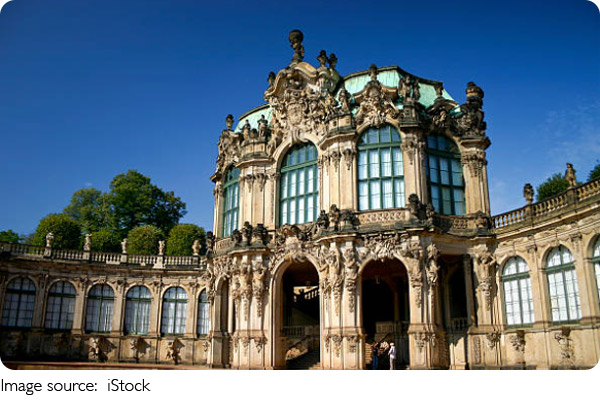
What to See First
Dresden’s biggest draw is its beautifully rebuilt historic core. The Frauenkirche is one of the city’s most recognizable landmarks, and the square around it is a lovely place to pause and take everything in. Nearby, the Zwinger is another essential stop, with elegant pavilions, galleries, and landscaped courtyards. The Semperoper adds another layer of grandeur, and the Brühl’s Terrace offers a pleasant riverside promenade with wide views.
If you enjoy museums, the Historic Green Vault and other State Art Collections are major highlights, with ticket prices often starting around $16 to $18 depending on the collection or combined pass. Walking through the Altstadt, you will find that many of the city’s best-known sights sit close together, which makes it easy to cover a lot in a single day without rushing.
Neighborhoods With Character
If you want to step beyond the postcard center, Neustadt is where Dresden feels more local, creative, and energetic. It is known for independent shops, cafés, street life, and a more laid-back rhythm. This contrast is part of what makes the city memorable. You get the stately beauty of the old center and then, just across the river, a district that feels youthful and expressive.
Blasewitz and the riverside villa districts bring yet another side of Dresden, with calmer streets and a more residential atmosphere. Taking time to see both the polished landmarks and the lived-in neighborhoods gives you a fuller sense of the city.
Dresden
Opening Hours and Costs
For day-to-day planning, many major museums and landmark interiors commonly open from around 10:00 AM to 6:00 PM, though hours vary by site and season, so checking the official page for each attraction before you go is wise. Sacred buildings may have sightseeing hours that shift around services or events. The Frauenkirche can often be visited for free in the main worship area, while tower access usually has a separate fee, commonly around $11 to $13.
The Zwinger’s outdoor courtyards can be enjoyed freely, but museum entry inside the complex requires a ticket, often around $14 to $18. The Semperoper offers guided tours too, with prices usually in the $15 range. Public transport day passes are a practical choice and can cost about $8 to $10 depending on zones and ticket type.
Where to Stay
If convenience matters most, staying in Altstadt puts you close to major landmarks and transport links. Mid-range hotels here often start around $110 to $170 per night, while more polished stays can go beyond $220. Neustadt is a strong choice if you want a livelier evening atmosphere and a more casual neighborhood feel, with guesthouses and smaller hotels often starting around $75 to $130.
Budget travelers can sometimes find hostel beds from about $30 to $45, while simple private rooms may begin near $60. Booking early helps a lot, especially during popular travel periods and major city events.
How Much Time You Need
Dresden works well as a one- or two-day city break, but giving it three days feels much more rewarding. One day lets you cover the historic center, two days give you room for museums and Neustadt, and three days allow for a gentler pace with riverside walks or time in the villa districts. The city also makes a good base for wider Saxony trips if you want to see more of the region.
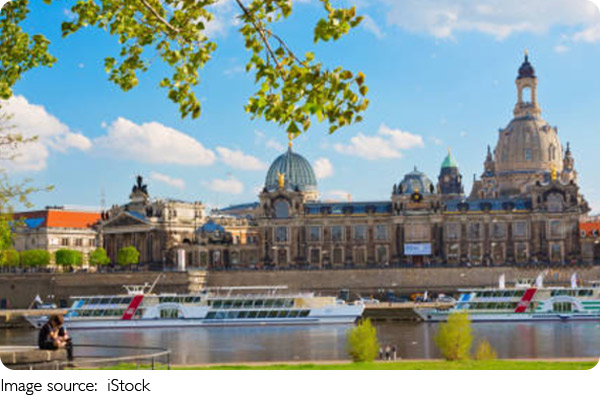
Dresden is the kind of place that slowly wins you over. It is easy to navigate, rich in atmosphere, and full of contrasts that keep the visit interesting. If you like cities where grand sights and everyday life sit comfortably side by side, this one is worth your time. Plan a little, leave room to wander, and let Dresden unfold at its own gentle pace.